Dog Training Tug Toy for Small to Large Dogs Effective Positive Reinforcement Training
$8.37 USD
Quantity
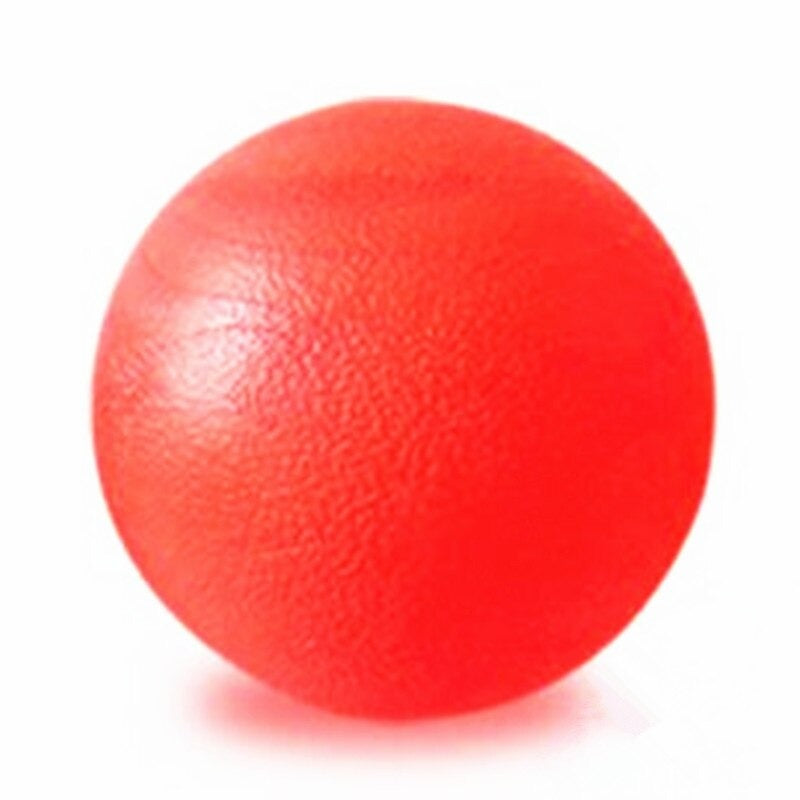
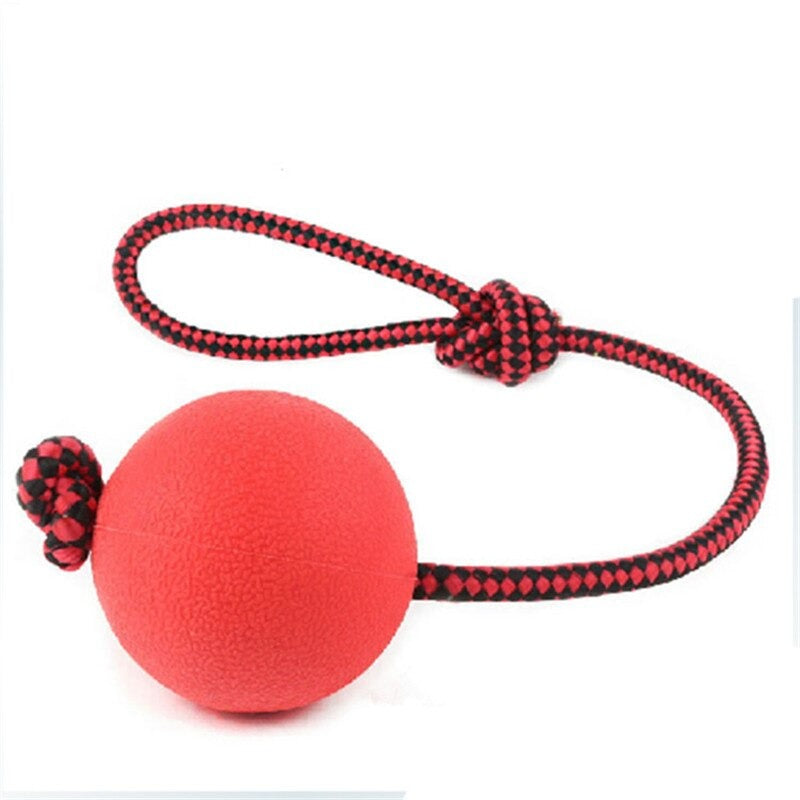
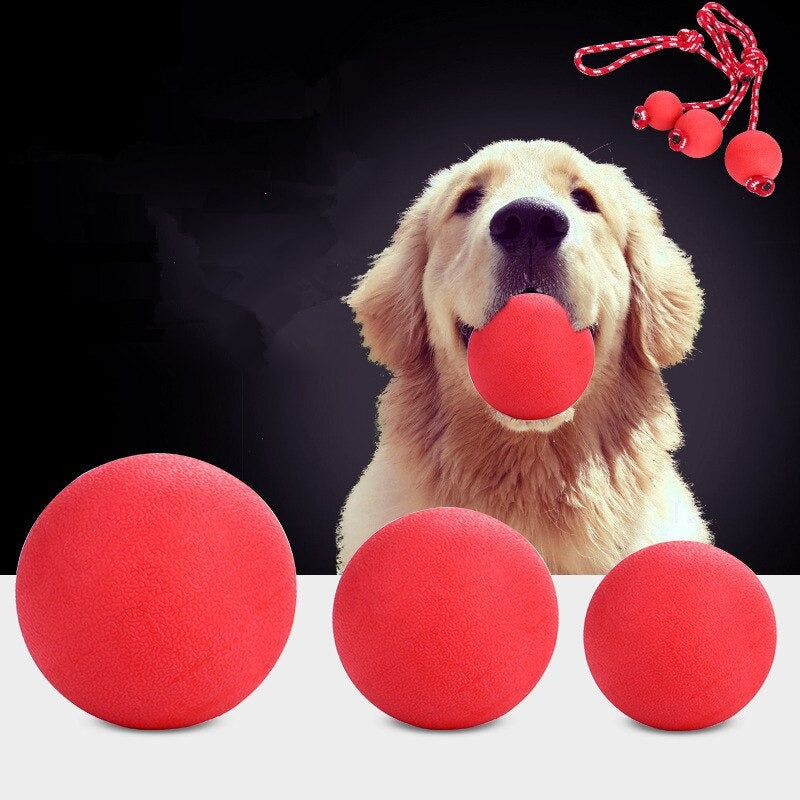
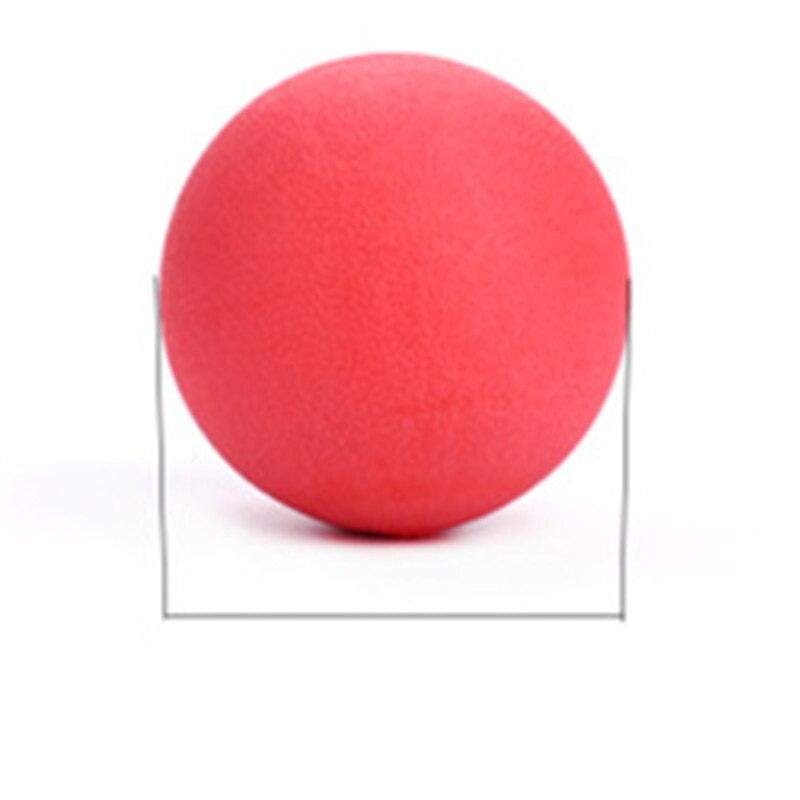
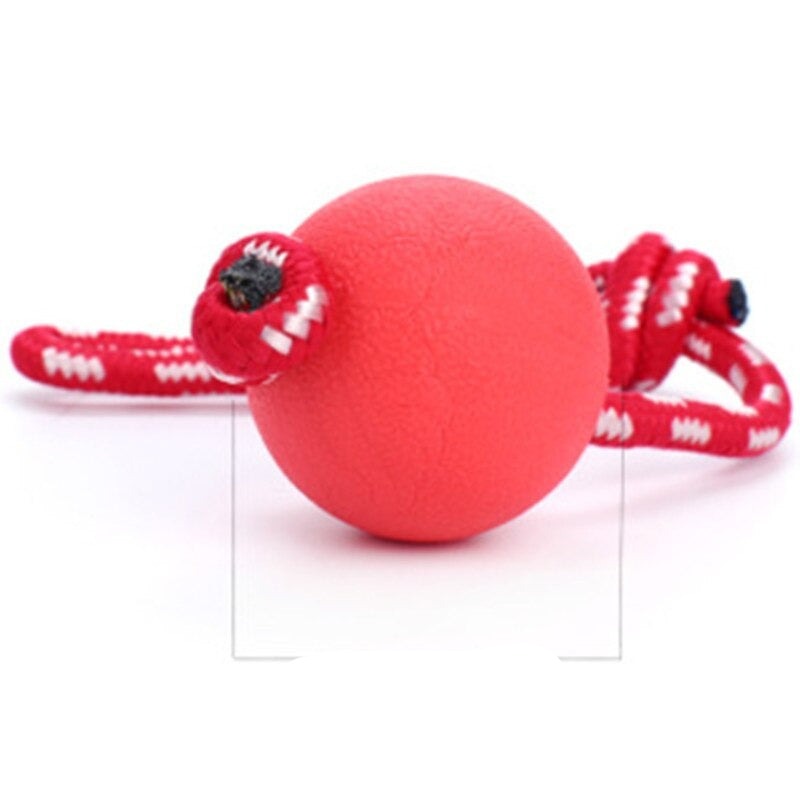
Fluff is your dog's friend, right? But once in a while he needs a bit more. That's when they turn to toys made out of rubber. These Solid Rubber Dogs Chew Training Ball are perfect for dogs that need something to chew on or get rid of their energy. Whether you're looking for fun for yourself or your dog, this toy is the way to go!
Features :-
Toys Type: Chew Toys
Feature: Bite resistant
More About The Product:
Healthy Pet Toys-The welfare and happiness of pets are our top priorities. All of the toys are constructed of rubber. When teething, dogs want to chew on anything in the house. Therefore, chew toys, pacifiers, and rubber teething rings are all excellent ways to help your dog while they are teething by relieving its itchy teeth.
Interactive To Drive Away Boredom-Dogs enjoy company, help your pet have a toy as its friend. Dogs are animals that need to be accompanied. Our dope toys are suitable for indoor and outdoor activities, such as tug of war, and toss and fetch games. That positively enhances the relationship between you and your dog. Also, when you are busy, dogs can play with a wide variety of toys alone without feeling lonely.
Easy To Use While Training-A trained dog is what we call an educated dog. Nothing is more powerful than a well-mannered and trained dog. Training your dog has several advantages, some of which will actually save your life.
Frequently Asked Questions
At 5cm diameter, the ball is appropriate for small breeds (Chihuahua, Toy Poodle — under 10 lbs) where a 6cm ball would be borderline too large to carry comfortably. For medium-sized dogs (20-35 lbs), the 6cm size is more appropriate and less likely to be swallowed whole. The 1cm difference is meaningful for safety purposes in the smallest and medium-small size categories.
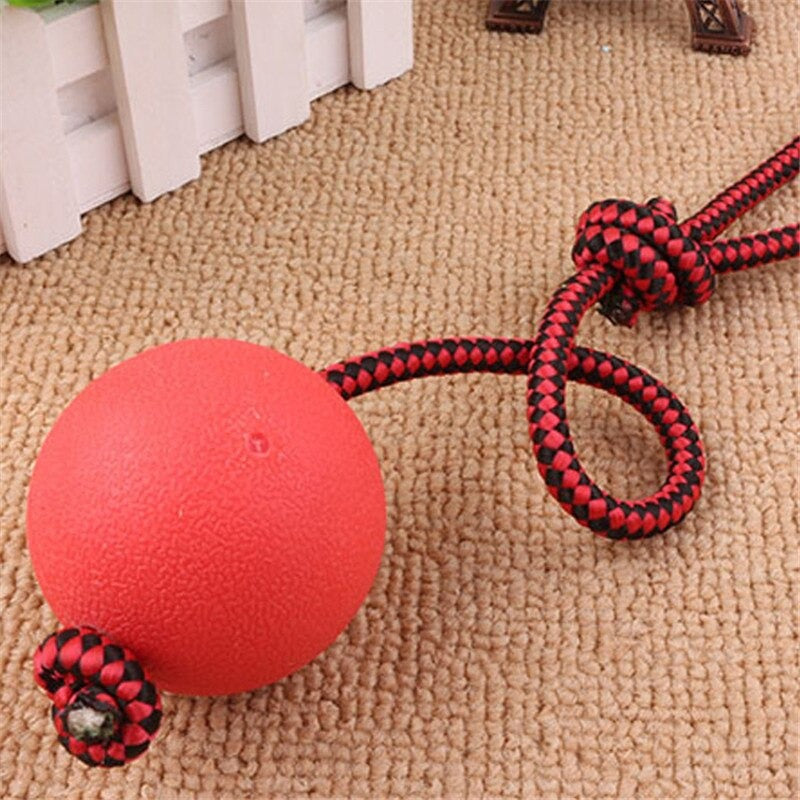
Yes — rope attachments on rubber balls are a known safety concern. Dogs that chew the rope junction can separate the rope from the ball, creating a loose rope segment that may be swallowed. The swallowed rope is more dangerous than the ball itself. Use the rope-attached version only for supervised tug sessions, and store the toy where the dog cannot access the rope end unsupervised.
Solid rubber training balls resist cracking better than hollow rubber. The 'solid' designation means there is no internal cavity, making it more structurally robust under bite pressure. The primary risk is surface gouging — once material loss begins, small rubber chunks can be swallowed. Inspect after each session and replace when gouging is visible.
Rubber is a semi-porous material that absorbs and retains odors over time — including the handler's scent after repeated handling. For scent training, rub the ball in your hands before sessions to impart your scent, which many dogs find motivating. Avoid strong cleaning agents that mask scent — mild soap and water is sufficient for sanitation.
A 6cm ball that is caught mid-air and fully enters a dog's throat is a choking risk for medium-to-large breeds. Dogs that catch aggressively (deep-throat retrievers) should use balls with a diameter at least 2-3cm larger than their muzzle width. For Retrievers and Labs, a 6cm ball is borderline — use 8-10cm minimum for safe aerial fetch.
This is described as a solid rubber training ball — no hollow cavity. It is not a food-dispensing toy. If enrichment feeding is your training method, look for the food-dispensing ball variants in this store's lineup which have holes for treat release during rolling.