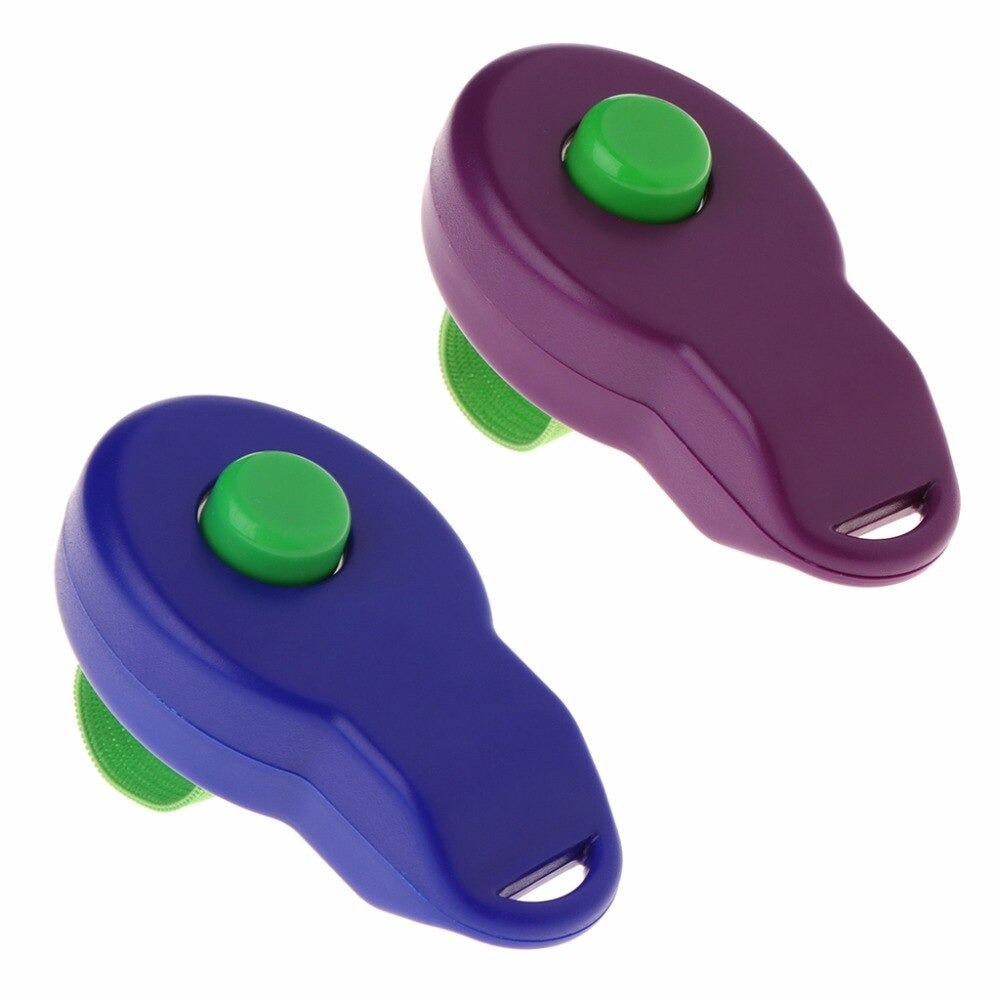
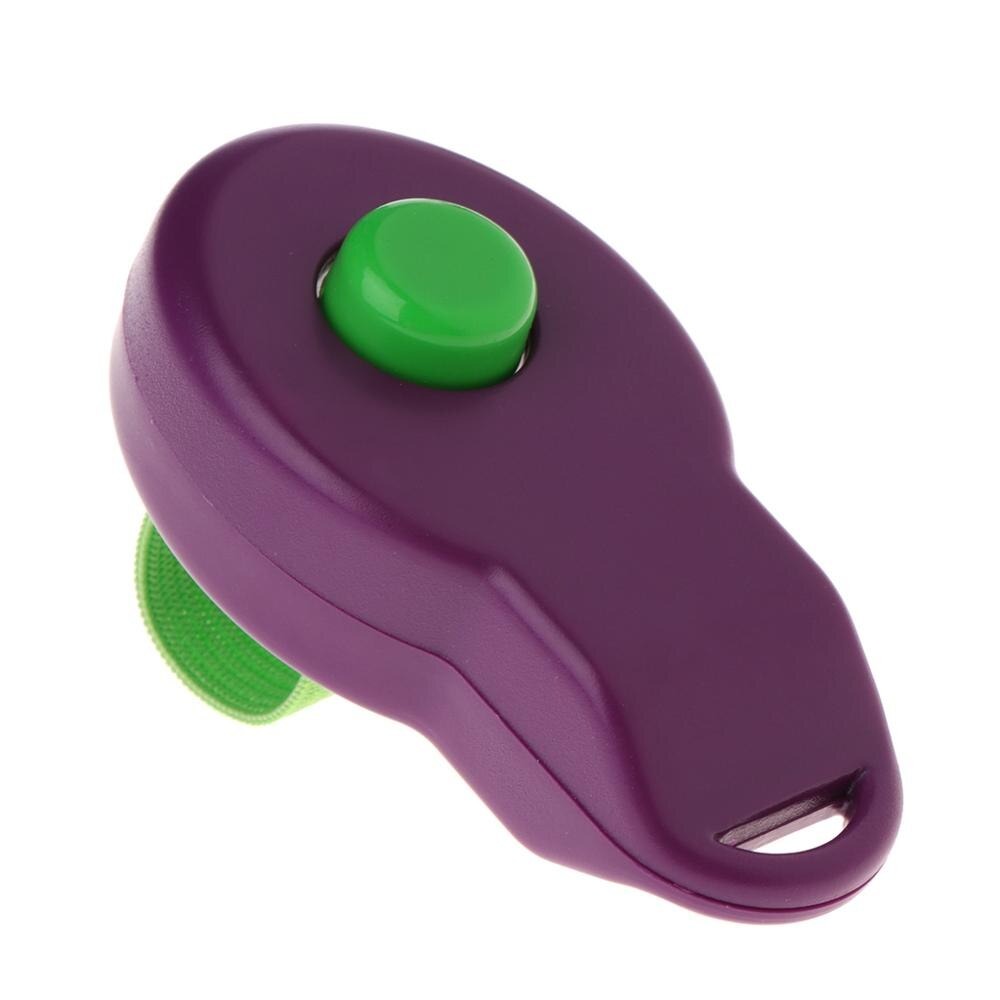
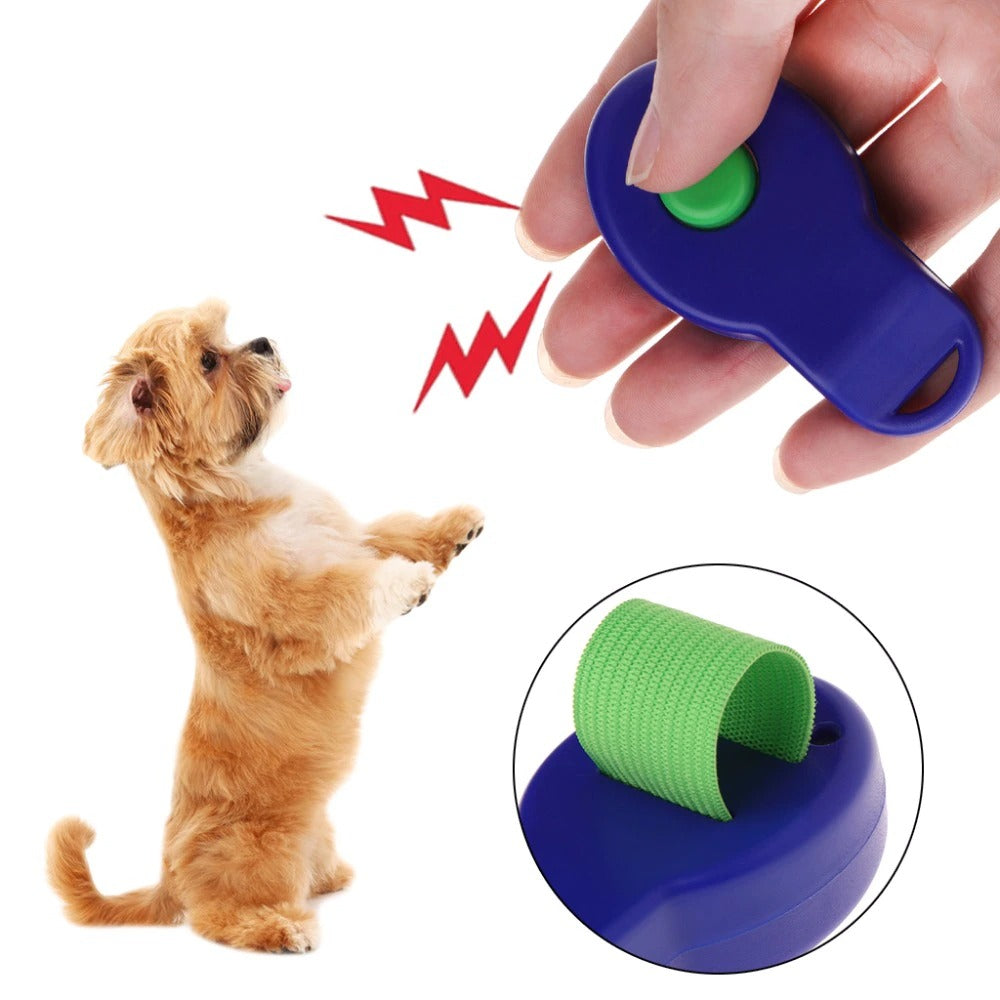
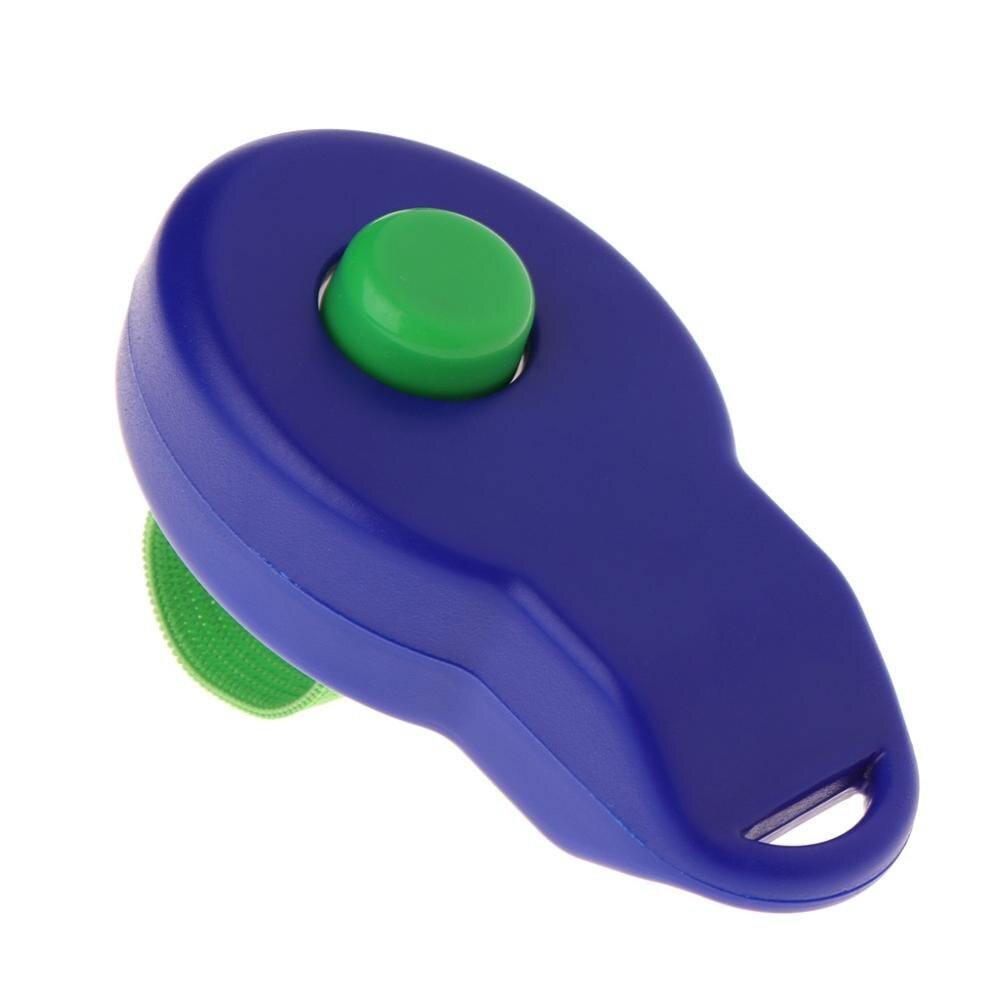
The use of a clicker or whistle is an excellent approach to training your dog's behavior and obedience. This Pet Dog Training Whistle can teach your pet new skills by simply blowing into it once. It is crucial to train your dog so that he becomes acclimated to your household and way of life.
Features:
Item Type: Training Clickers
Type: Dogs
Material: Plastic
More About The Product:
Healthy Pet Toys-The welfare and security of pets are our top priorities. All of the toys are constructed of cotton and natural rubber. When teething, dogs want to chew on anything in the house. Therefore, chew toys, pacifiers, and rubber teething rings are all excellent ways to help your dog while they are teething by relieving its itchy teeth.
Interactive To Drive Away Boredom-Dogs love company, help your pet have a toy as its friend. Dogs are animals that need love and accompanied. Our rope toys are suitable for indoor and outdoor activities, such as tug of war, and toss and fetch games. That positively enhances the relationship between you and your dogs. Also, when you are busy, dogs can play with a wide variety of toys alone without feeling lonely.
Easy To Use While Training-A trained dog is what we call an educated dog. Nothing is more powerful than a well-mannered and trained dog. Training your dog has several advantages, some of which will actually save your life.
Frequently Asked Questions
No batteries — this is a purely mechanical spring-click device. The click sound is consistent from the first press. The spring mechanism can fatigue after several thousand clicks, so if the click becomes mushy or inconsistent, replace rather than repair.
The standard click registers around 65–75 dB at arm's length — audible to dogs with moderate hearing loss. For significantly hearing-impaired dogs, pair the click with a hand signal or vibration collar simultaneously to build a backup conditioned response.
Noise-sensitive puppies can develop a negative association with the clicker if introduced abruptly. Muffle it in your pocket or wrap with tape for the first 3–5 sessions, gradually exposing the full sound as the puppy connects it with treats.
No functional difference. The color variation is cosmetic only. Both versions use identical spring mechanisms and produce the same click volume and tone.
Yes. Cats respond to clicker conditioning similarly to dogs. Use the same mark-and-reward method — click the instant the desired behavior occurs, follow with a high-value treat within 2 seconds. Cats typically require shorter sessions (3–5 minutes) than dogs.
This is called 'clicker dependency.' Prevent it by randomizing which hand holds the clicker, keeping it behind your back, or transitioning to a verbal marker ('yes!') after the behavior is solid. The clicker is a teaching tool, not a permanent cue.