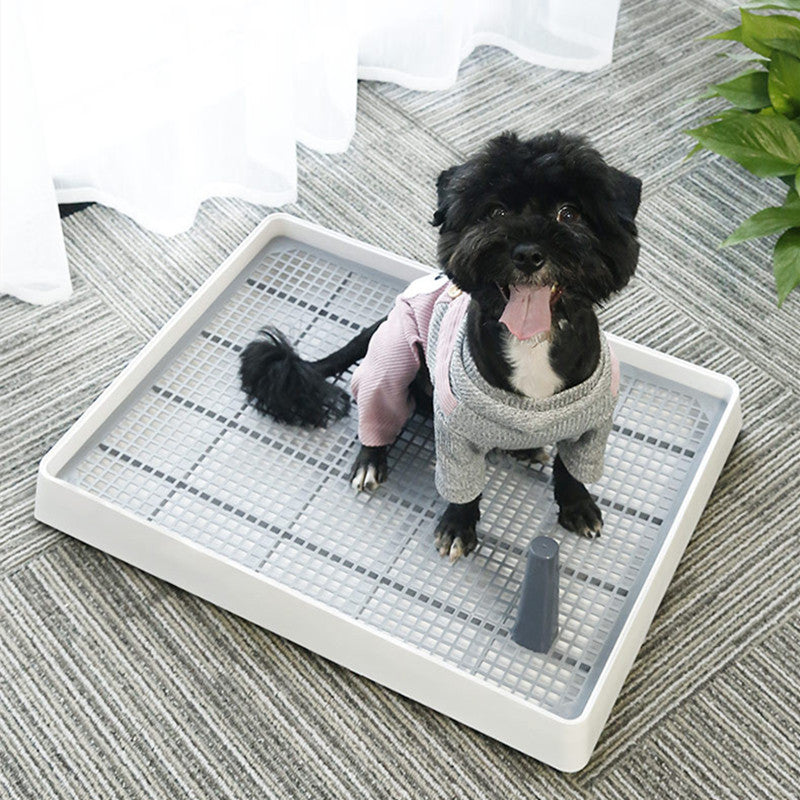
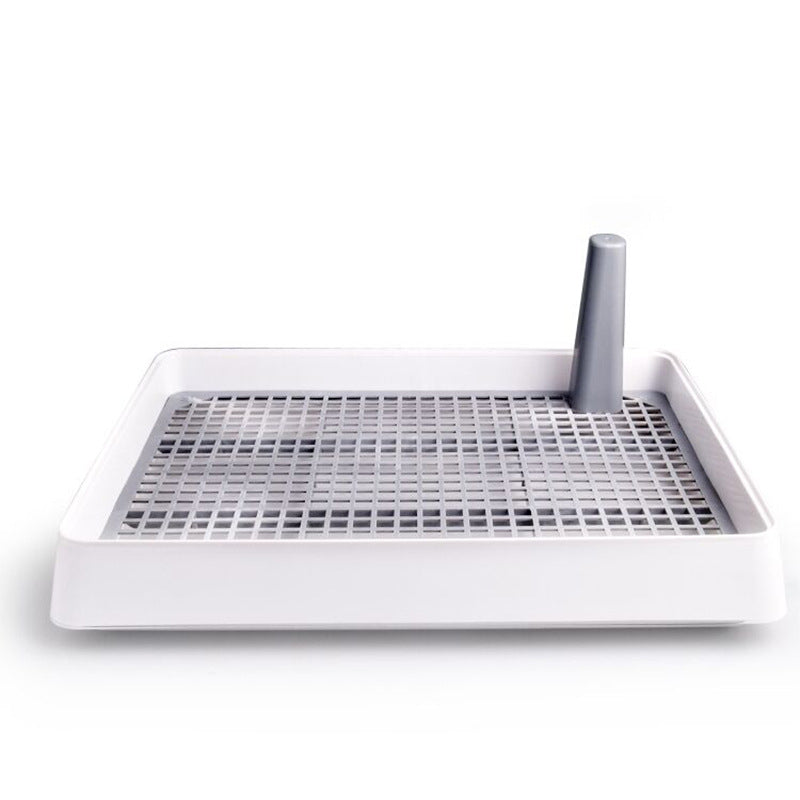
How many times have you seen this situation? You're out with your furry friend, and their favorite place is the toilet. But as soon as they go to sit on it, they get scared. What to do then?
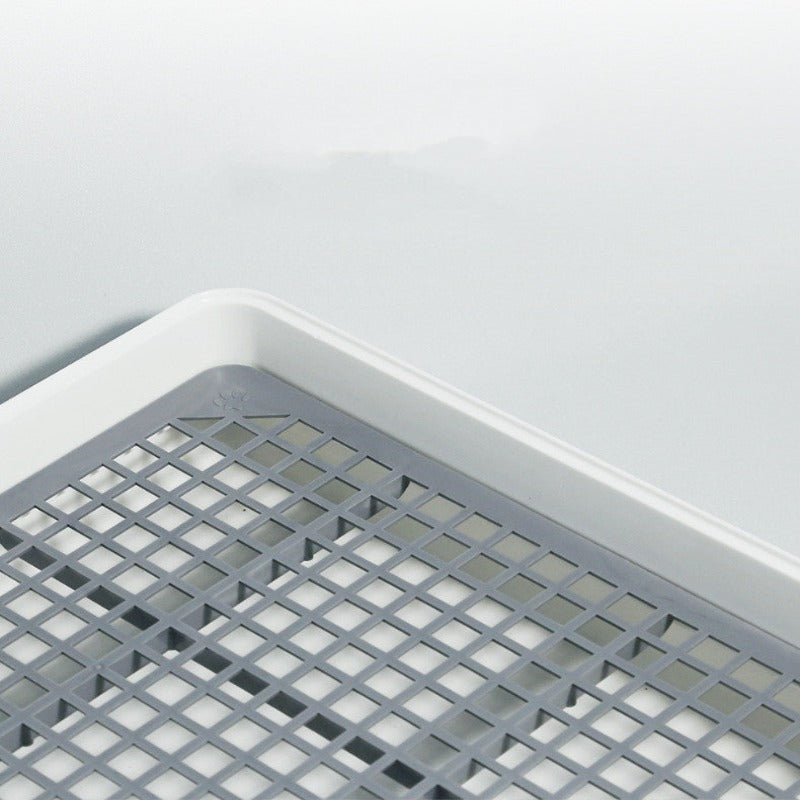
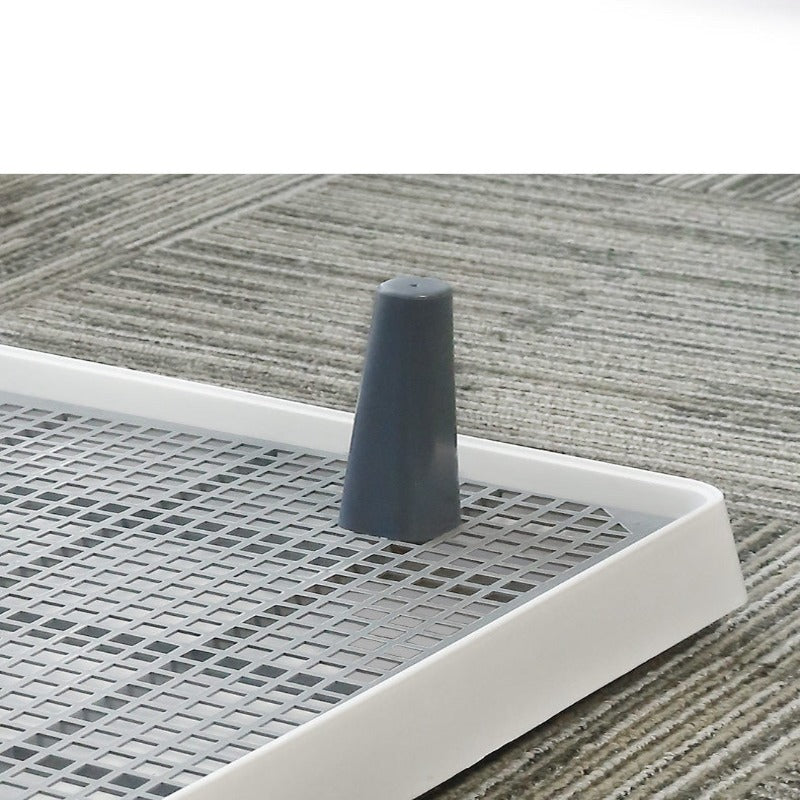
Indoor Dog Potty Training Toilets are the solution! It comes in different sizes and colors so that there's a perfect match for every dog. Made of high-quality materials, they look stylish and sturdy. And because they're non-toxic and easy to clean, your furry friend will love them!
Features :
Item Type: Cleaner Hair Remover
Set Type: No
Type: Dog
Frequently Asked Questions
There is a serious description mismatch in this listing. The item title references a hair remover tool while the description describes an indoor dog toilet/training pad system. The actual product appears to be an indoor potty training toilet based on the description. Verify with product images before purchasing.
Indoor dog potties are typically available in Small (suitable for dogs up to 5 kg), Medium (up to 15 kg), and Large (up to 30 kg). The listing mentions 'different sizes and colors.' Confirm dimensions before ordering — a potty too small for your dog will result in misses on the edges.
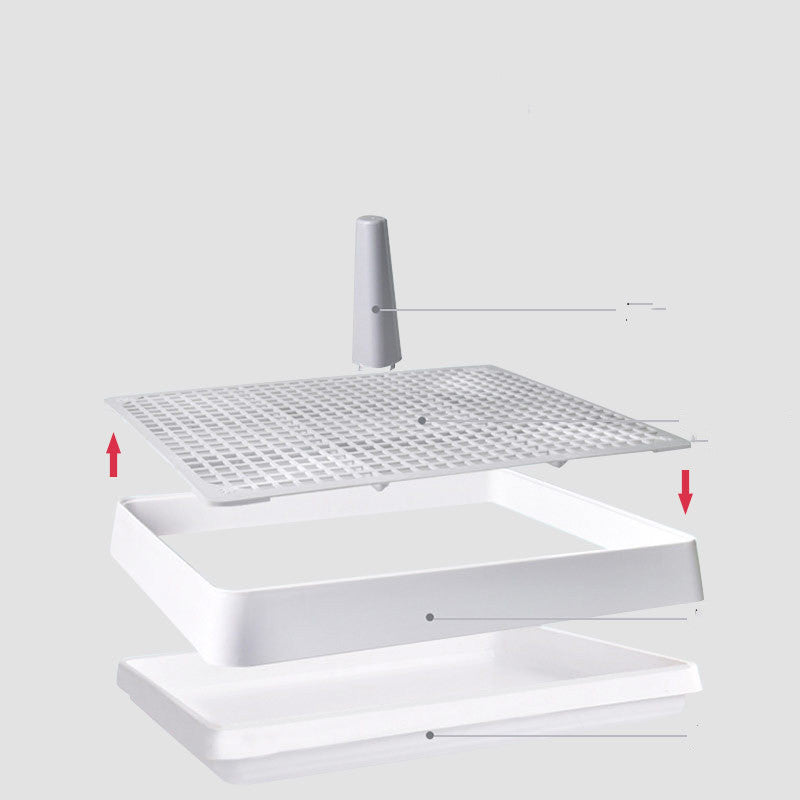
Indoor dog potties are typically either (a) a plastic grate over a liquid collection tray or (b) an artificial grass mat over a tray. The grass mat version feels more natural and is better for transitioning dogs trained on real grass. The grate version is easier to clean but dogs find it less intuitive.
A medium dog using the potty 3–4 times daily fills a standard 1.5–2 liter tray in approximately 2–3 days. Empty before it reaches the underside of the grate or grass mat to prevent odor and backflow. Daily emptying in summer is recommended due to faster ammonia off-gassing.
Puppies trained exclusively on indoor potties can develop a strong substrate preference for the artificial grass texture. Transitioning to outdoor toileting requires deliberate re-training — take the dog outside at regular intervals and reward outdoor elimination. Start outdoor training by week 12–14 to build dual-surface comfort.
Indoor potties with low entry lips (under 5 cm) can be used for small cats as a transition litter tray. Deep or high-sided potties designed for dogs are unsuitable for cats. Most indoor dog potties do not have the covered privacy that cats prefer — standard covered litter boxes are better for feline use.