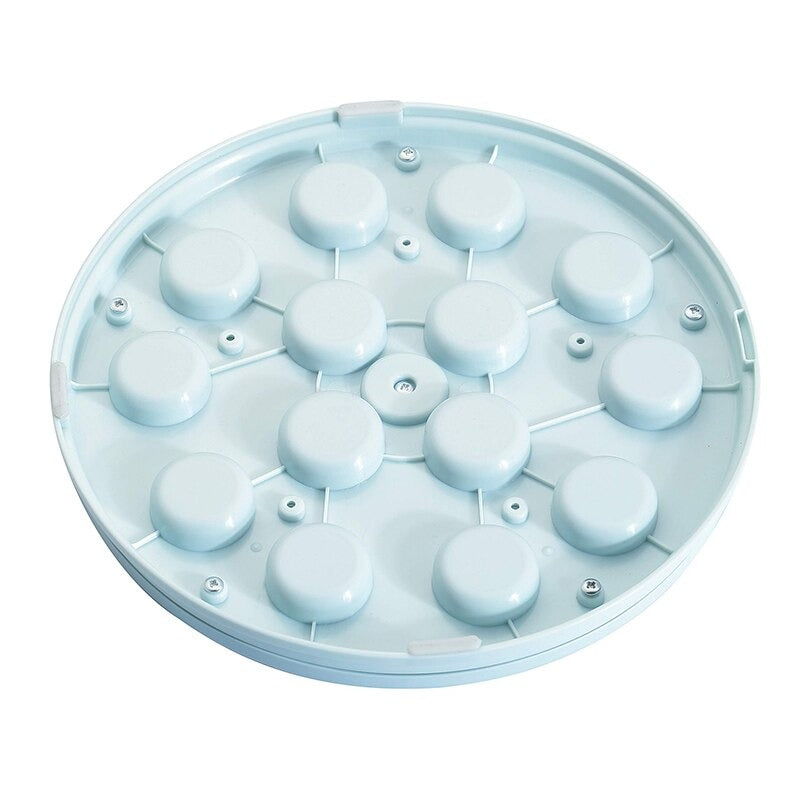
Dog Interactive Puzzle Toy for Small to Large Dogs Durable Non-toxic Playtime Entertainment
$30.71 USD
Quantity
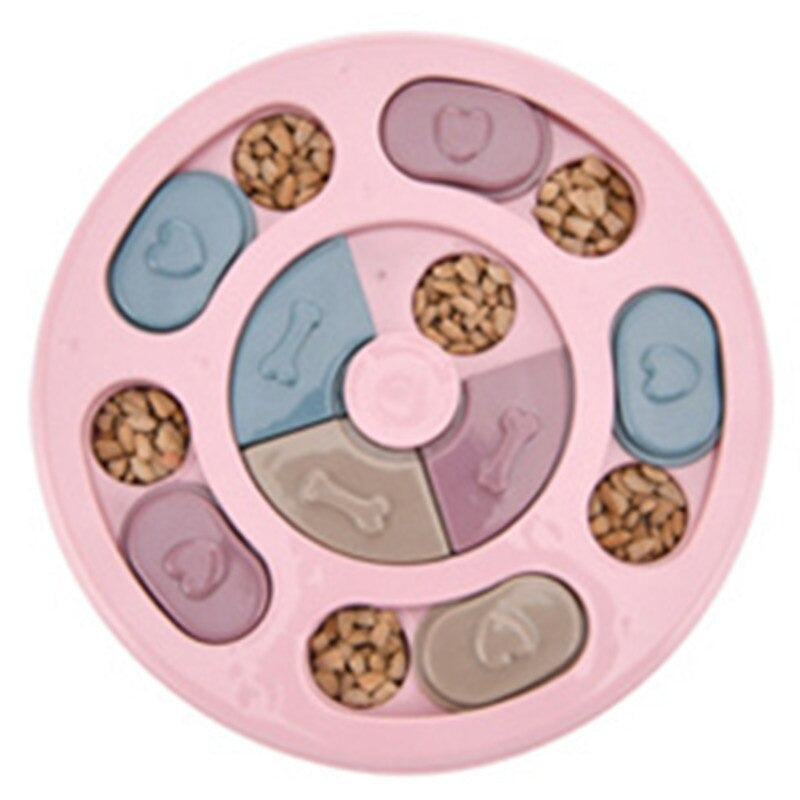
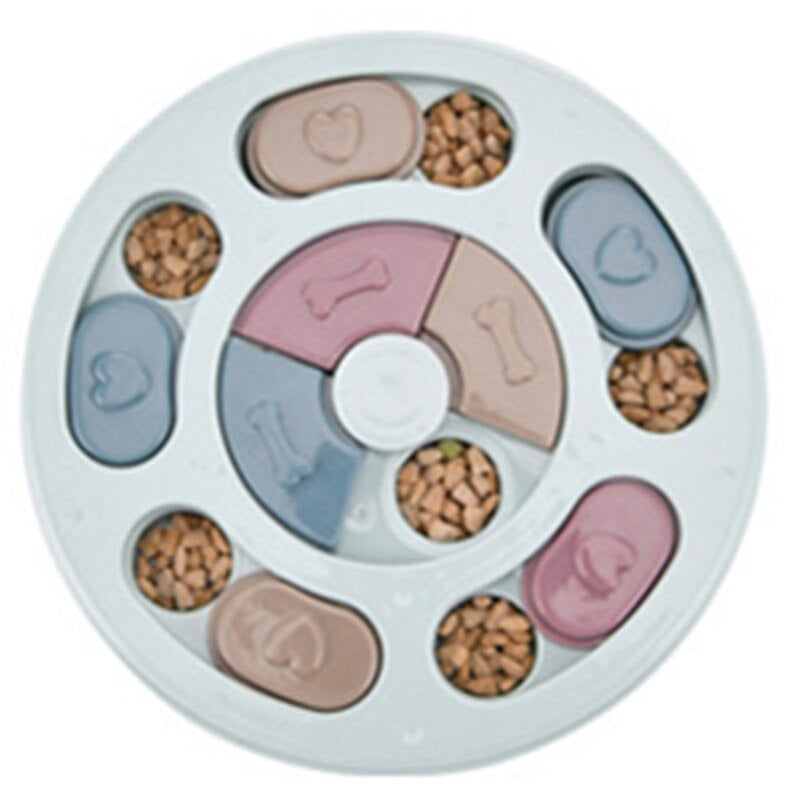
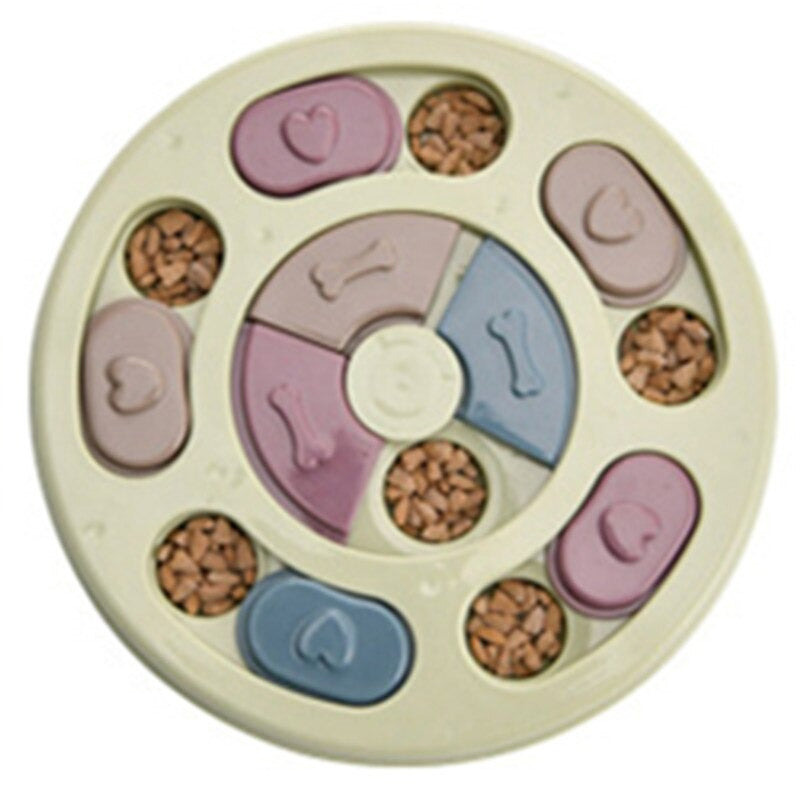
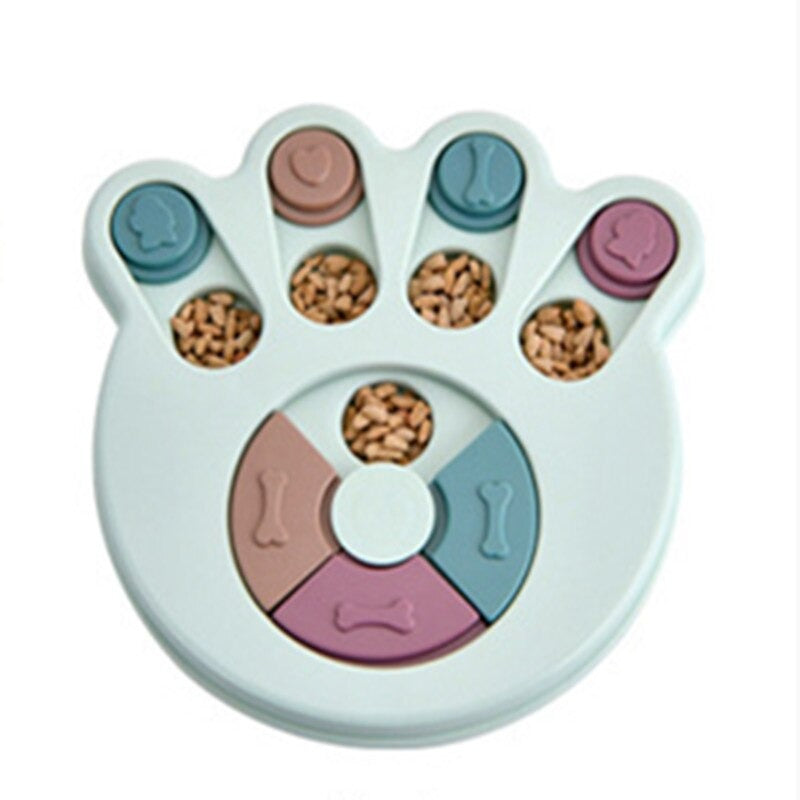
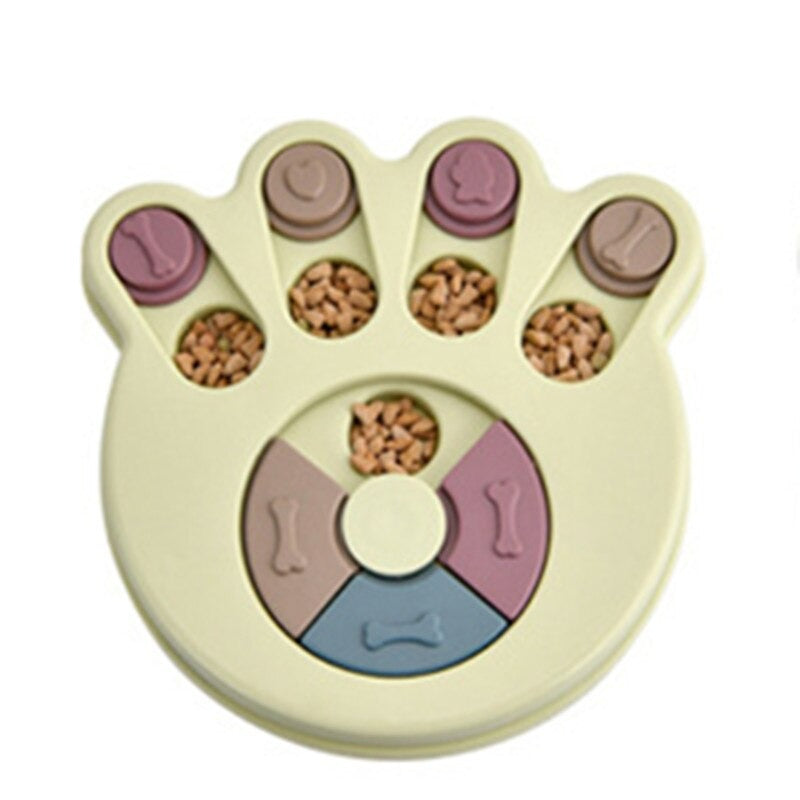
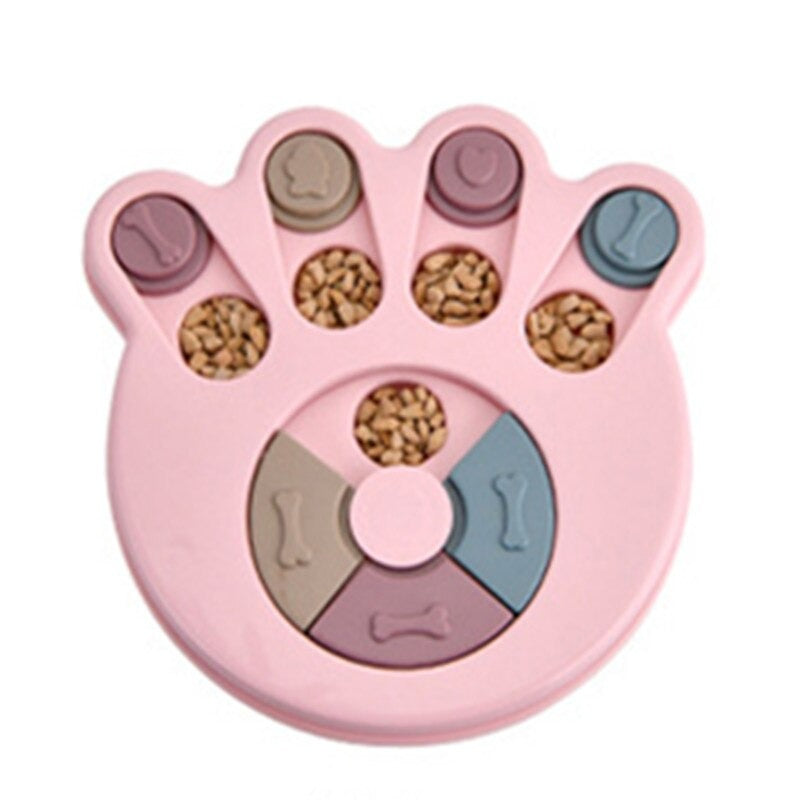
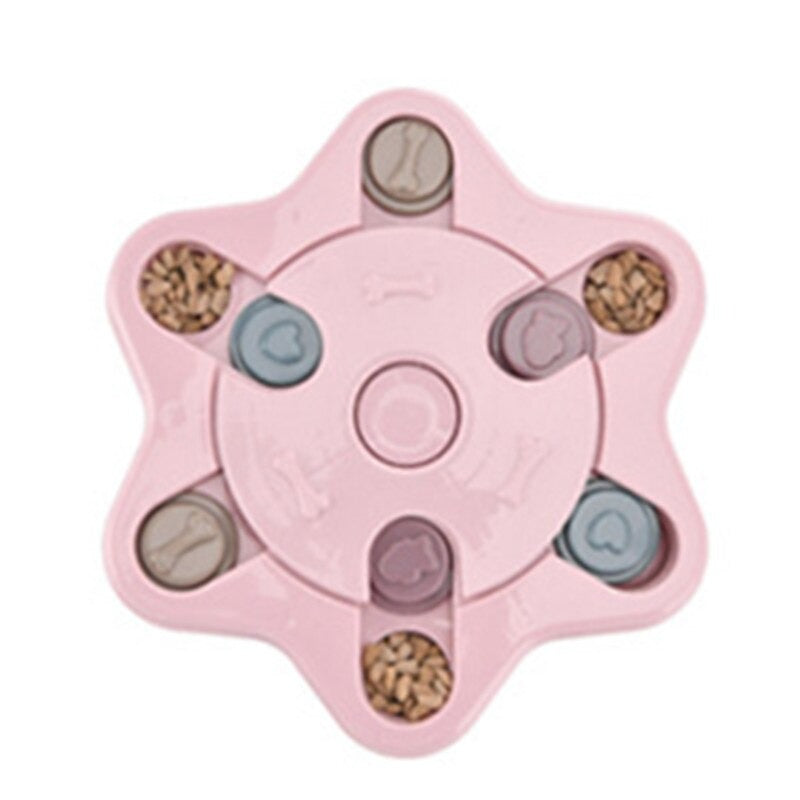
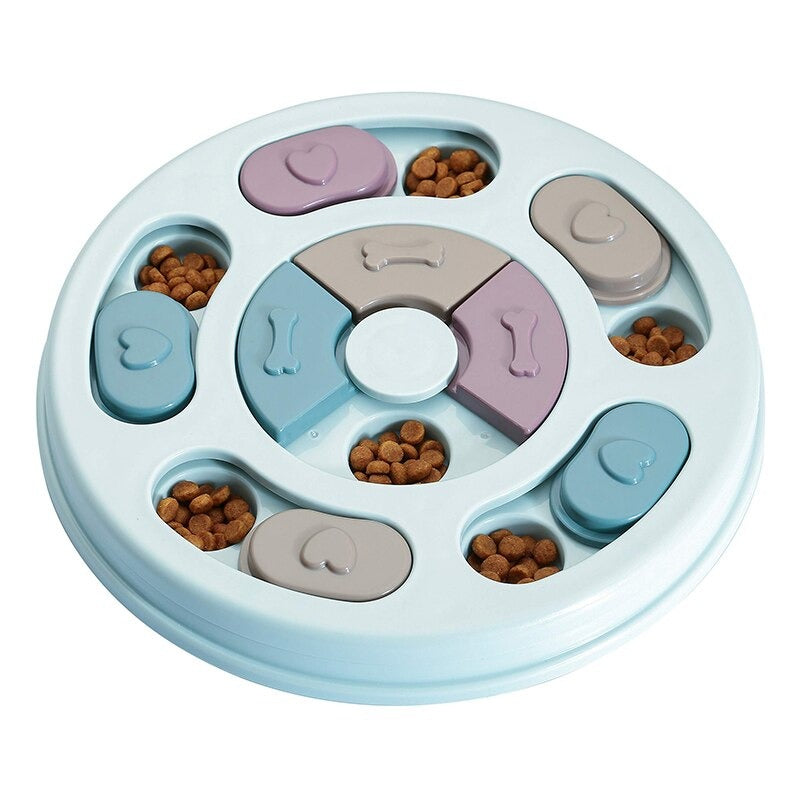
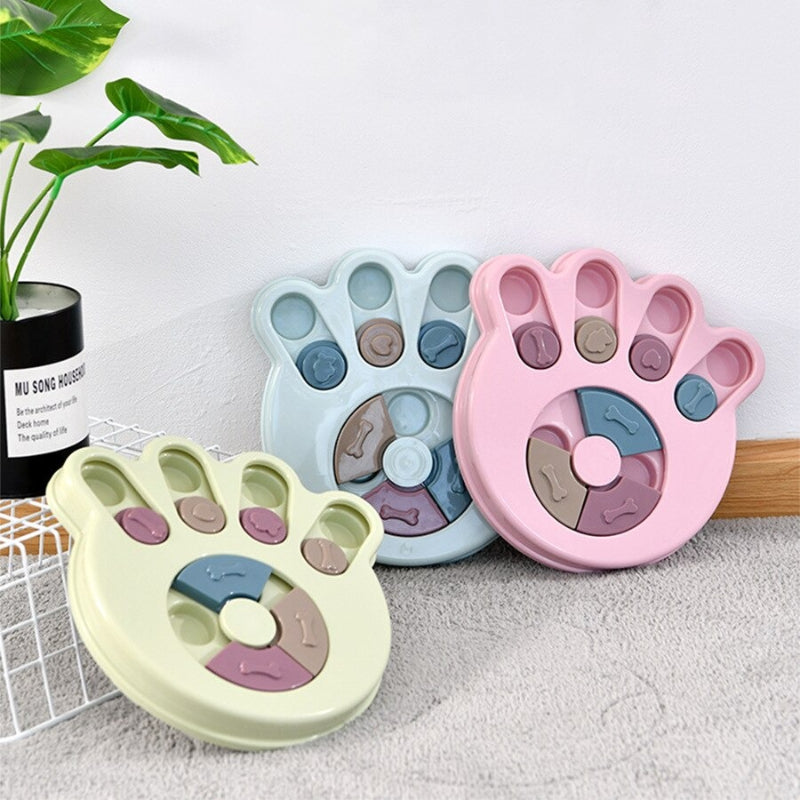
This Dog Puzzle Toy is one of the wonderful and powerful training toys that have a dual use. These toys truly assist you in teaching your pet that when they are hungry, they can simply press the button and feed themselves. These are made of high-quality plastic that is both sturdy and indestructible and is available in many hues.
Features :
Material: Plastic
Type: Dogs
Set Type: NO
Toys Type: Interactive Toys
Is Smart Device: NO
Frequently Asked Questions
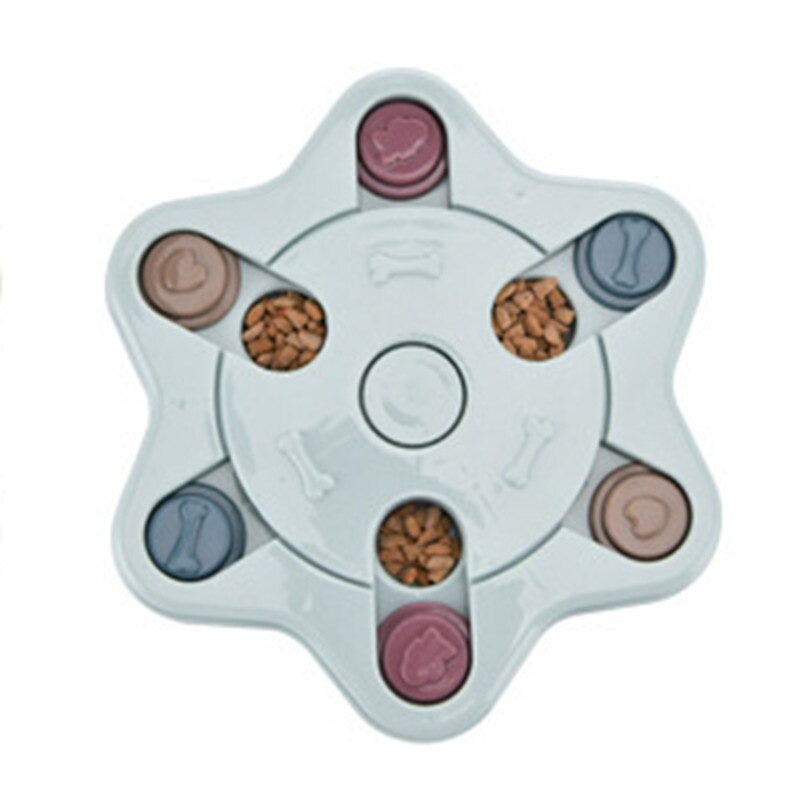
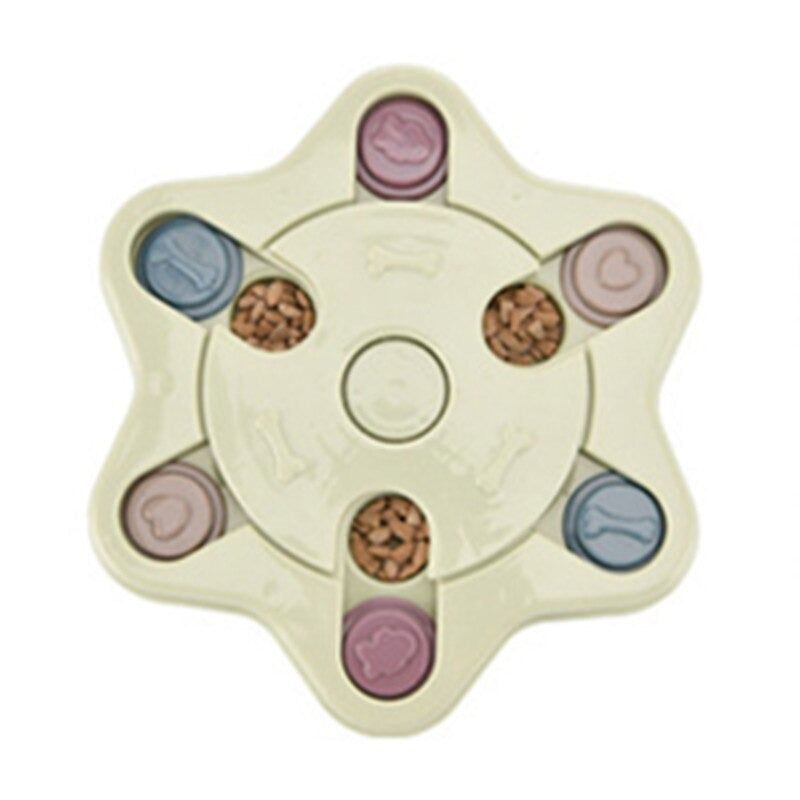
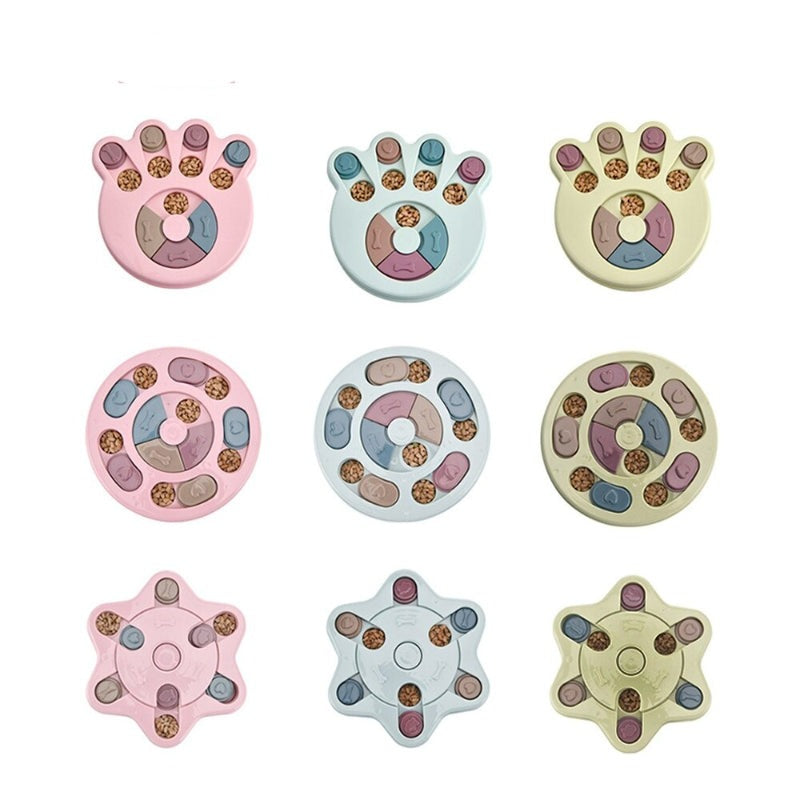
All nine variants have the same dispensing mechanism and difficulty level. The shape difference (round, footprint, hexagonal) affects how the toy moves on different floor surfaces — hexagonal toys have more unpredictable movement on hard floors, which can be more engaging for some dogs. Color choice is purely aesthetic.
Button-press dispensing toys are level 1–2 difficulty on the cognitive toy spectrum. A dog that has solved multiple puzzle toys will likely work through this within 2–3 sessions. The ongoing value is as an enrichment feeding tool (slowing eating, engaging sniffing) rather than as a long-term puzzle challenge. For dogs needing genuine cognitive challenge, Level 3–4 puzzle toys (multi-step, sliding components) provide more sustained engagement.
Button-press dispensing toys have a fixed opening size, typically 10–15mm. Standard adult kibble (8–12mm) passes through freely. Large-breed kibble (13–18mm) may be too large, requiring the dog to work harder or resulting in no kibble coming out. Break large-breed kibble into smaller pieces or use training treats for puzzle feeders.
Hexagonal toys can wedge into corners more than round toys, which may frustrate some dogs. On open hard floors, hexagonal shapes offer more erratic movement. On carpet, all shapes move less freely. If your dog gets frustrated when a toy stops moving (typical of highly active, ball-obsessed breeds), the round variant is more consistently rewarding.
Wet food and soft treats are not suitable for leakage dispensing toys — they clog the mechanism, stick to the interior, and cause rapid bacterial growth in the plastic housing. Dry kibble and small hard treats only. After each session, check for food residue inside and rinse with warm water.
12-week puppies can engage with simple dispensing toys but may need initial guidance. Place the toy with treats visible (one hanging partially out) to build initial motivation. Most puppies figure out basic pawing and pushing within 2–5 sessions. Confirm the plastic edges are smooth with no sharp points before use with a young puppy who may chew the housing edges intensively.